Traveling, in its essence, is a disruption of routine, a deliberate departure from the known. It offers a spectrum of experiences, each capable of eliciting a distinct emotional or psychological state. This exploration delves into ten common travel “vibes,” or overarching themes that often characterize journeys, and examines the underlying motivations and outcomes associated with each. Understanding these can help you better articulate your travel desires and, perhaps, inspire your next itinerary.
The Quest for Discovery
The “discovery” vibe centers on encountering the new. This isn’t about simply seeing novel landscapes, but about intellectual and sensory engagement with unfamiliar cultures, histories, and natural phenomena. It’s the impulse to peel back layers of understanding, akin to an archaeologist unearthing ancient artifacts.
Cultural Immersion
This aspect of discovery involves a deep dive into local ways of life. You are not merely an observer but a participant, seeking to understand the nuances of daily routines, beliefs, and artistic expressions. This might involve communal meals, learning basic phrases of a local language, or engaging in traditional crafts. The goal is to move beyond superficial observation towards a more visceral understanding of a place’s human tapestry.
Uncharted Territories
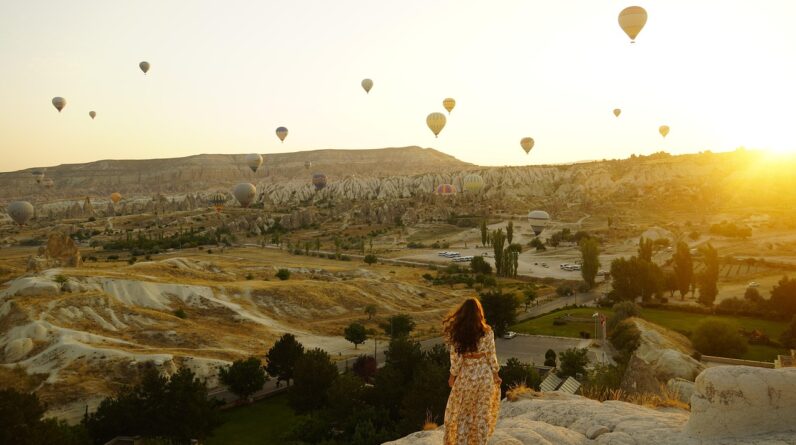
Exploration of uncharted territories, whether literal or figurative, is another facet. This could mean venturing into remote wilderness where human impact is minimal, or exploring less-visited regions of a well-known country. The thrill lies in the unknown, in navigating environments where information is less readily available and reliance on instinct and adaptability is paramount. This mirrors the voyages of ancient mariners, charting new coastlines with only compass and stars.
Historical Reverence
For some, discovery is rooted in the past. This vibe involves exploring sites of historical significance, seeking to connect with bygone eras. Walking through ancient ruins, visiting battlefields, or exploring centuries-old cities allows for a tangible link to human events unfolding over millennia. The physical remnants act as conduits, whispering tales of those who came before.
The Pursuit of Solitude
Contrary to the social aspects often associated with travel, the “solitude” vibe focuses on seeking isolation and introspection. This journey is often about internal exploration, using the external environment as a catalyst for self-reflection. It’s a deliberate withdrawal from the clamor of everyday life, a retreat into a personal space.
Wilderness Retreats
These journeys typically involve destinations far from urban centers, such as national parks, remote mountains, or secluded beaches. The objective is to minimize human interaction and maximize exposure to natural environments. The stillness and vastness of such landscapes can foster a sense of perspective, reducing internal chatter and promoting a greater awareness of one’s own thoughts and feelings.
Digital Detox
A significant component of modern solitude seeking is the “digital detox.” This involves intentionally disconnecting from electronic devices and the constant influx of information. The absence of notifications and the pressure to be constantly available allows for a re-engagement with the present moment and a reduction in cognitive load. It’s a chance to recalibrate attention, much like an overloaded machine needs to power down and restart.
Personal Reflection Journeys
These trips are often unstructured, designed to facilitate introspection rather than adhere to a fixed itinerary. Destinations might be chosen for their contemplative atmosphere, such as spiritual centers, quiet coastal towns, or even a solitary room in a distant city. The focus is on processes like journaling, meditation, or simply quiet observation, allowing thoughts to surface without immediate external demands.
The Call of Adventure
The “adventure” vibe is characterized by active engagement with the environment, often involving physical challenges and an element of risk. It’s about pushing boundaries, both physical and mental, and experiencing the exhilaration that comes from overcoming obstacles. This often feels like a test, a crucible in which one’s capabilities are forged.
Outdoor Expeditions
This involves activities such as trekking, climbing, kayaking, or diving. The emphasis is on navigating and interacting with natural landscapes through strenuous means. Preparation, equipment, and often a degree of technical skill are prerequisites. The rewards are often sensory – the crisp mountain air, the rush of rapids, the silence of the underwater world – coupled with the satisfaction of personal achievement.
Thrill Seeking Experiences
For some, adventure extends to more explicitly adrenaline-inducing activities. This can include paragliding, bungee jumping, whitewater rafting, or exploring extreme environments. The motivation often lies in the physiological response to fear and excitement, a feeling of being intensely alive. These experiences are often fleeting but leave lasting impressions, a vivid memory etched by heightened sensation.
Overland Journeys
Long and challenging overland trips, whether by motorcycle, 4×4, or even bicycle, embody a distinct adventurous spirit. These journeys often involve navigating remote routes, relying on self-sufficiency, and adapting to unpredictable circumstances. The adventure lies not just in the destination, but in the sustained process of the journey itself, a moving tapestry of landscapes and encounters.
The Pursuit of Relaxation
In contrast to adventure, the “relaxation” vibe prioritizes comfort, ease, and a gentle pace. The goal is to de-stress, rejuvenate, and restore mental and physical well-being. It is about releasing tension, a deliberate loosening of the reins that bind daily life.
Spa and Wellness Retreats
These destinations offer facilities and services designed to promote physical and mental restoration. This can include massages, hydrotherapy, yoga, meditation, and healthy cuisine. The environment is curated for tranquility, allowing you to shed the burdens of everyday life and focus on self-care. It’s a conscious act of repair and restoration.
Beach Escapes
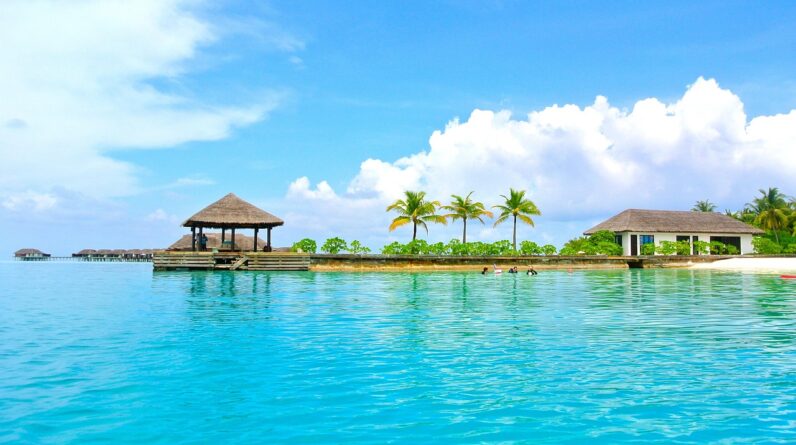
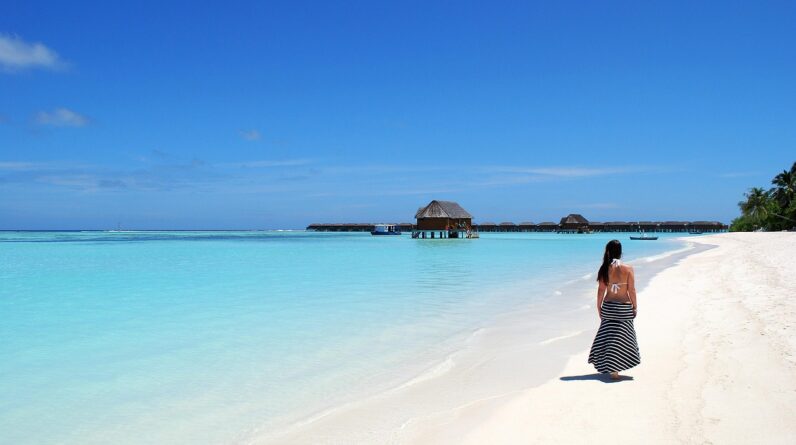
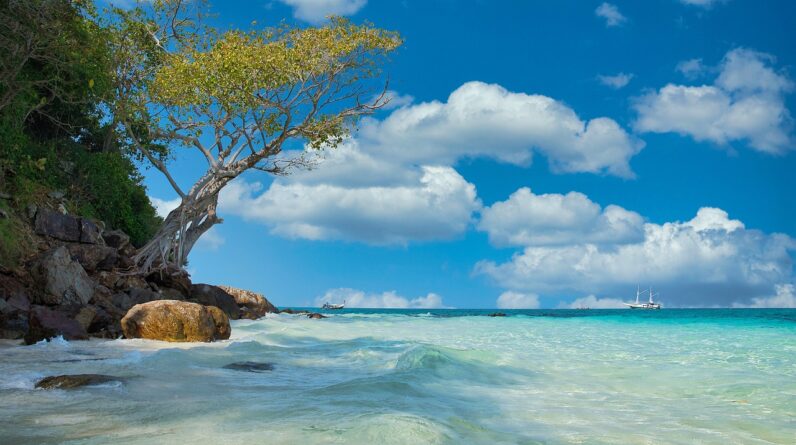
Few things evoke relaxation as universally as a beach vacation. The rhythmic sound of waves, the warmth of the sun, and the expansive horizon contribute to a sense of calm. Activities are typically low-key, such as swimming, sunbathing, reading, or simply watching the world go by. It’s a return to a simpler, unhurried existence.
Scenic Drives and Cruises
For some, relaxation is found in passive appreciation of beautiful landscapes. Scenic drives through picturesque regions or cruises along coastal lines or rivers allow for observation without the need for active participation. The journey itself becomes the destination, a meditative flow through beautiful vistas, much like watching a slow-motion film unfold before your eyes.
The Immersion in Culture and Arts
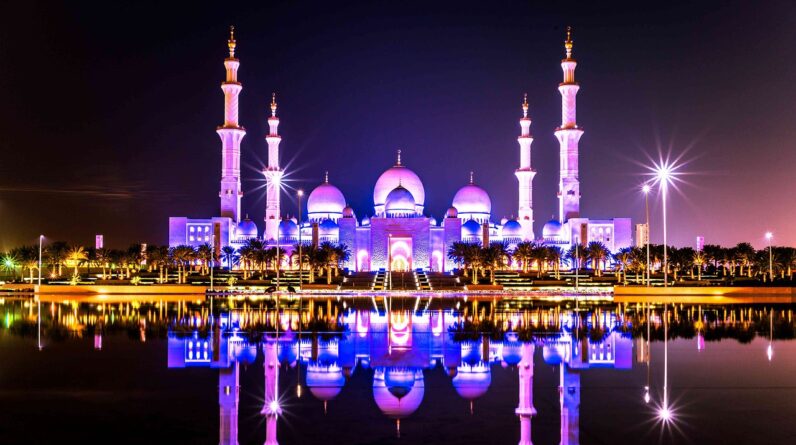
This travel vibe is centered on engaging with the artistic, historical, and intellectual output of various societies. It is about understanding the human story through its creative expressions and historical narratives. It’s like stepping into a living museum, where the past and present intertwine.
Art and Museum Tours
Exploring art galleries, museums, and historical sites provides a window into human creativity and societal development. This can range from ancient artifacts to contemporary installations, offering insights into different cultures’ values, aesthetics, and perceptions of the world. Each piece is a fragment of a larger narrative, waiting to be interpreted.
Culinary Journeys
Food is a fundamental aspect of culture. A culinary journey involves exploring local cuisines, understanding gastronomic traditions, and participating in food-related experiences like cooking classes or market visits. It’s a sensory exploration that reveals much about a region’s history, resources, and social customs, each dish a delicious historical document.
Festival and Event Participation
Attending local festivals, concerts, theatrical performances, or sporting events offers a dynamic way to experience a culture. These events often showcase traditions, celebrate identity, and provide opportunities for interaction with local communities. They are vibrant expressions of collective identity, a pulse point of cultural life.
The Pursuit of Connection
Travel can be a powerful catalyst for forming and deepening relationships, both with fellow travelers and with local communities. This “connection” vibe emphasizes shared experiences, mutual understanding, and the building of bridges between individuals. It recognizes that humanity, despite its differences, shares a common thread.
Group Travel Experiences
Joining organized tours or traveling with a pre-arranged group can foster strong bonds. Shared adventures, challenges, and discoveries often lead to lasting friendships. The collective experience of navigating unfamiliar territories and overcoming hurdles together creates a sense of camaraderie, turning strangers into companions.
Volunteer and Community Engagement
For some, travel is about giving back. Volunteer programs or community engagement initiatives allow travelers to contribute to local projects, working alongside residents. This creates direct connections and a deeper understanding of the challenges and triumphs of a community, moving beyond an observer role to an active participant, a hand extended in solidarity.
Intergenerational Journeys
Traveling with family members across generations can create unique opportunities for bonding and shared memories. It bridges generational gaps, allowing for the exchange of perspectives and the creation of new family stories that often resonate for years to come. These journeys are often about strengthening the threads of kinship, weaving new patterns into the tapestry of family history.
The Search for Personal Transformation
Beyond a mere change of scenery, some travel is undertaken with the explicit intention of personal growth and transformation. This transformative “vibe” often involves stepping outside one’s comfort zone, confronting ingrained habits, and gaining new perspectives. It is a deliberate act of self-recalibration, a shedding of old skins.
Spiritual Pilgrimages
Journeys to sites of spiritual significance, whether religious or secular, can be profoundly transformative. These pilgrimages often involve introspection, contemplation, and a search for meaning. The physical journey mirrors an internal one, leading to a deeper understanding of one’s beliefs and purpose.
Skill Development and Learning Abroad
Engaging in courses or workshops in a foreign land—be it language acquisition, cooking, art, or a new sport—can lead to significant personal development. The challenge of learning in an unfamiliar environment, combined with cultural immersion, often accelerates growth and broadens horizons. It is a crucible for new abilities, forging new facets of self.
Solo Travel as Self-Discovery
Traveling alone can be a powerful catalyst for self-discovery. Without the influence of companions, individuals are forced to rely on their own resources, make independent decisions, and navigate challenges autonomously. This often leads to increased self-reliance, confidence, and a clearer understanding of one’s own identity and preferences. It’s a solitary voyage of self-mapping, charting an internal compass.
The Drive for Novelty and Variety
For some, the primary motivation for travel is simply the desire for novel experiences and a break from routine. This “novelty” vibe isn’t necessarily about deep immersion or profound transformation, but rather about experiencing a breadth of different places and activities. It’s about keeping life’s canvas vibrant and diverse.
City Hopping and Urban Exploration
Moving between different cities allows for a rapid succession of diverse urban landscapes, cultures, and attractions. Each city presents a new set of sensory inputs, from architecture and cuisine to street art and social dynamics. It’s a fast-paced exploration of humanity’s mosaic of urban forms.
Multi-Destination Tours
These journeys involve visiting several distinct geographical regions or countries within a single trip. The focus is on experiencing a contrast of environments – from bustling cities to serene landscapes, from historical sites to modern attractions. It’s about painting with a broad brush, capturing the variety of the world.
Thematic Travel (e.g., Foodie Tours, Architecture Tours)
Defining a trip by a specific theme, such as a “foodie tour” through Italy or a “literary journey” through England, provides a focused yet varied experience. Within the chosen theme, there’s ample scope for novelty, exploring different manifestations of that theme across various locations, much like following a winding thread through diverse tapestries.
The Nostalgic Journey
Sometimes, travel is driven by a desire to revisit the past, to reconnect with personal history, or to experience places that hold sentimental value. This “nostalgic” vibe is often about reaffirming identity, re-establishing connections, and appreciating how time alters perception. It’s like opening an old photo album and stepping into the frames.
Revisiting Childhood Haunts
Returning to places from one’s childhood can evoke powerful memories and provide a sense of continuity. It allows for a comparison of past perceptions with present realities, often leading to new insights about personal development. The ghost of a younger self walks alongside you, whispering forgotten tales.
Ancestral Roots Exploration
For many, exploring their ancestral homeland is a deeply personal journey. It involves connecting with heritage, tracing family lines, and understanding the cultural roots that have shaped one’s identity. This journey can provide a sense of belonging and a deeper understanding of one’s place in the broader human story. It’s a journey back along the branches of a family tree, seeking its deepest roots.
Commemorative Trips
These journeys are often undertaken to mark significant life events, anniversaries, or to honor a person’s memory. They can involve returning to a place of significance for a couple, commemorating a historical event, or paying respects at a specific location. These trips are often laden with emotional weight and serve as a living memorial.
The Sustainable and Ethical Endeavor
A growing number of travelers are motivated by a desire to travel responsibly, minimizing their environmental impact and supporting local communities ethically. This “sustainable” vibe integrates conscious choices with the travel experience, aiming to leave a positive footprint. It’s about being a mindful guest on the planet.
Eco-Tourism and Conservation Travel
These trips focus on visiting natural areas in a way that conserves the environment and improves the well-being of local people. This could involve staying in eco-lodges, participating in wildlife conservation efforts, or supporting environmentally friendly businesses. It’s about admiring nature while actively working to preserve it.
Supporting Local Economies
Conscious travelers often prioritize directing their spending towards local businesses, artisans, and service providers. This ensures that the economic benefits of tourism remain within the community, fostering sustainable development. It’s an act of solidarity, channeling resources directly into the hands of those who call the place home.
Cultural Sensitivity and Respect
Ethical travel also involves a deep respect for local customs, traditions, and beliefs. This means educating oneself about appropriate behavior, dressing modestly when required, and seeking permission before photographing individuals. It’s about being a respectful guest, honoring the rhythms and traditions of the host culture.
Each of these travel vibes offers a distinct promise, a unique lens through which to experience the world. By identifying which resonates most strongly with you, you can embark on journeys that align more deeply with your personal aspirations and, perhaps, compel you to pack your bags right now.