Luxury travel, often perceived as an exclusive domain, represents a segment of the tourism industry characterized by high-end services, premium accommodations, and bespoke experiences. It caters to individuals seeking comfort, privacy, and unique encounters that transcend conventional tourism. This guide explores the facets of luxury travel, providing insights into its planning, execution, and the underlying considerations.
Defining Luxury in Travel
The concept of luxury is fluid, evolving with societal values and individual preferences. In travel, it typically signifies a departure from the ordinary, offering elevated comfort, personalized service, and access to experiences not readily available. It is not solely defined by cost, although a higher price point often accompanies premium offerings. Instead, luxury emphasizes value, exclusivity, and the creation of lasting memories.
Evolution of Luxury Travel
Historically, luxury travel was the sole preserve of royalty and the affluent aristocracy. Early forms involved grand tours, often extended journeys across continents, focusing on cultural immersion and social networking. The advent of steamships and rail facilitated wider access, albeit still primarily for the wealthy. The 20th century saw the rise of iconic luxury liners and opulent hotels, establishing benchmarks for comfort and service. Contemporary luxury travel leverages technological advancements and a globalized world, offering an unprecedented array of options, from private jet charters to immersive wilderness expeditions.
Key Characteristics of Luxury Travel
Several core characteristics distinguish luxury travel from other forms of tourism. These include:
- Exclusivity: Access to private estates, secluded islands, or highly sought-after events and locations. This often translates to fewer crowds and a more intimate experience.
- Personalization: Tailored itineraries, dedicated concierges, and services designed to meet specific individual desires. This level of customization ensures that the travel experience aligns perfectly with the traveler’s vision.
- Comfort and Convenience: Premium transportation, spacious accommodations featuring high-end amenities, and seamless logistical arrangements. The emphasis is on frictionless travel, where practical concerns are handled unobtrusively.
- Authenticity: Unique cultural encounters, local immersion, and opportunities to connect with destinations on a deeper level, often facilitated by expert guides or local hosts. This moves beyond surface-level tourism to a more profound engagement.
- Service Excellence: Highly trained staff anticipating needs, providing discreet yet attentive service. This extends to pre-trip planning, during the journey, and even post-trip follow-up.
- Safety and Security: Enhanced measures for personal safety, particularly in often remote or less developed destinations. This provides peace of mind for travelers exploring diverse environments.
Crafting the Luxury Itinerary
The foundation of a successful luxury trip lies in meticulous planning. This phase involves a collaborative process between the traveler and, often, a specialized luxury travel advisor, who acts as an architect of experiences.
Engaging a Luxury Travel Advisor
While independent planning is feasible, luxury travel advisors offer specialized knowledge and a network of contacts that can significantly enhance the travel experience. They possess an understanding of global destinations, access to exclusive deals, and an ability to navigate complex logistics. A good advisor functions as a curator, sifting through myriad options to present a refined selection that aligns with the traveler’s preferences. They are the cartographers of your elevated journey, plotting a course through a world of possibilities.
Destination Selection and Research
Selecting a destination is the initial brushstroke on the canvas of your journey. Considerations extend beyond scenic beauty to encompass political stability, cultural relevance, and the availability of premium services. Research involves delving into the specifics of regions, climates, local customs, and potential activities. This is where the aspirational meets the practical, ensuring that chosen locations can deliver the anticipated luxury experience.
Accommodation: Beyond the Five Stars
Luxury accommodation transcends a simple star rating. It encompasses boutique hotels with unique character, private villas offering seclusion, exclusive resorts with extensive amenities, and even bespoke glamping experiences. Key factors include:
- Location: Proximity to attractions, natural beauty, or desired activities.
- Privacy: Especially pertinent for individuals seeking an escape from public scrutiny.
- Amenities: From private pools and personal chefs to dedicated spa services and state-of-the-art technology.
- Service Level: The ratio of staff to guests, the extent of personalized attention, and the responsiveness to individual requests.
- Sustainability Practices: A growing number of luxury properties prioritize environmental stewardship and community engagement, appealing to the conscientious traveler.
Transportation: Journey as Destination
Luxury travel elevates transportation from a mere means to an integral part of the experience. Options abound:
- Private Aviation: Chartering private jets offers unparalleled flexibility, comfort, and direct access to a wider range of airports. It transforms air travel from a logistical hurdle into a seamless transition.
- First-Class and Business-Class Commercial Flights: While not private, these cabins offer enhanced comfort, gourmet dining, and superior service.
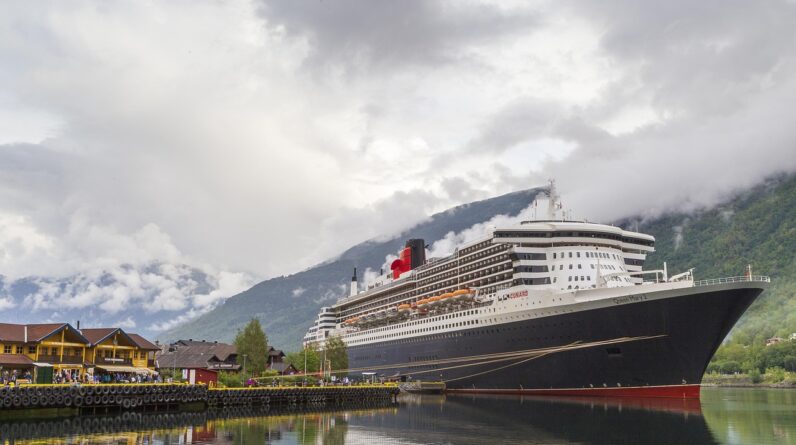
- Luxury Yachts and Cruises: Bespoke yacht charters provide mobility and access to coastal areas, while small-ship luxury cruises offer curated itineraries and intimate atmospheres.
- Private Transfers: High-end vehicles with professional chauffeurs ensure comfortable and efficient ground transportation.
- Luxury Trains: Recreating a bygone era of travel, these offer opulent carriages, fine dining, and scenic routes, such as the Venice Simplon-Orient-Express.
Experiential Luxury: Beyond Possessions
Modern luxury travel increasingly focuses on experiences rather than just material comforts. It is about acquiring memories and understanding rather than just acquiring things.
Bespoke Cultural Immersion
This involves curated encounters designed to provide deep insight into local cultures. Examples include:
- Private Museum Tours: After-hours access with expert curators.
- Art Workshops: Learning traditional crafts from local artisans.
- Culinary Journeys: Cooking classes with renowned chefs, market visits, and private dining experiences in unique settings.
- Historical Expeditions: Guided tours of ancient sites with historians or archaeologists.
These experiences aim to foster a genuine connection with the destination’s heritage and people, transcending the superficiality of typical tourist attractions.
Adventure and Wellness Retreats
Luxury extends to carefully planned adventures and rejuvenative retreats:
- Safari Expeditions: Guided wildlife viewing in private reserves, often coupled with upscale tented camps or lodges.
- Heli-Skiing and Mountain Treks: Access to remote terrain with expert guides and comprehensive safety protocols.
- Spa and Wellness Programs: Holistic retreats offering personalized treatments, nutritional guidance, and mindfulness practices in serene environments.
- Yachting and Diving Expeditions: Exploring remote marine ecosystems with professional crews and equipment.
These ventures combine physical activity or relaxation with sophisticated comforts and expert guidance, pushing the boundaries of conventional leisure travel.
Managing the Journey: Seamless Execution
The hallmark of luxury travel is its seamless execution. Behind the seemingly effortless experience lies meticulous planning and a robust support system.
Concierge Services and On-the-Ground Support
Dedicated concierges function as the central nervous system of a luxury trip. They manage bookings, arrange unique experiences, address contingencies, and provide general assistance. This can range from securing last-minute reservations at exclusive restaurants to arranging medical support in remote locations. Their role is to anticipate and resolve issues before they impinge on the traveler’s experience, providing an invisible infrastructure of support.
Dietary and Special Needs Accommodations
Luxury travel providers are adept at accommodating diverse dietary restrictions, allergies, and special physical needs. This involves coordinating with chefs, transportation services, and activity providers to ensure comfort and safety. This attention to detail underscores the personalized nature of high-end travel.
Security and Risk Mitigation
For high-net-worth individuals, security is a paramount concern. Luxury travel often incorporates:
- Secure Transportation: Armored vehicles or discreet security personnel.
- Property Surveillance: Enhanced security measures at accommodations.
- Emergency Planning: Protocols for medical emergencies, political instability, or natural disasters.
These measures are implemented discreetly to maintain the comfortable atmosphere of the trip while ensuring safety.
The Financial Landscape of Luxury Travel
Luxury travel inherently involves a significant financial commitment. Understanding the cost components and potential investment benefits is crucial.
Cost Components and Budgeting
Key cost drivers include:
- Accommodation: Premium hotels, villas, and resorts command higher rates.
- Transportation: Private jets, yachts, and first-class commercial travel are substantial expenses.
- Experiences: Bespoke tours, private guides, and exclusive access events contribute significantly.
- Services: Dedicated concierges, personal chefs, and security personnel add to the overall cost.
- Miscellaneous: Insurance, visas, and incidentals should also be factored in.
Budgeting for luxury travel requires a comprehensive understanding of these elements, often aided by transparent cost breakdowns from travel advisors.
Value vs. Cost: An Investment in Experience
While expensive, luxury travel is often framed as an investment in unique experiences and personal enrichment. The value proposition lies in:
- Time Efficiency: Seamless logistics minimize wasted time.
- Quality and Exclusivity: Access to highly sought-after environments and services.
- Memorable Experiences: Creating unique and lasting memories that often cannot be replicated.
- Personal Growth: Cultural immersion and adventurous pursuits can contribute to personal development.
It is a commitment not merely to spending, but to an elevated form of engagement with the world.
Ethical Considerations in Luxury Travel
As the industry grows, so does the scrutiny regarding its environmental and social impact. Conscientious luxury travel incorporates ethical considerations.
Sustainable Practices
Luxury travel providers are increasingly adopting sustainable practices, recognizing the imperative to preserve the environments and cultures they showcase. These include:
- Eco-Friendly Accommodations: Properties designed to minimize environmental footprint, utilizing renewable energy, water conservation, and waste reduction.
- Support for Local Communities: Engaging local guides, purchasing local goods, and contributing to community development projects.
- Wildlife Conservation: Adhering to ethical wildlife viewing practices and supporting conservation efforts.
- Carbon Offsetting: Programs to mitigate the carbon emissions associated with travel, particularly private aviation.
Travelers are increasingly seeking providers who demonstrate a genuine commitment to these principles.
Minimizing Cultural Impact
Respectful engagement with local cultures is paramount. Luxury travel, by its nature, can have a magnified impact due to the resources it commands. Responsible practices include:
- Cultural Sensitivity Training: For staff and guests, emphasizing respectful interactions.
- Avoiding “Poverty Tourism”: Experiences that exploit or commodify local hardship.
- Promoting Authentic Interactions: Facilitating genuine exchanges rather than superficial observations.
The goal is to leave a positive legacy, fostering mutual respect and beneficial relationships between travelers and local populations.
In conclusion, luxury travel is a dynamic and multifaceted segment of the tourism industry. It is a pursuit of unparalleled comfort, bespoke experiences, and profound engagement with the world. By understanding its components, from meticulous planning to ethical considerations, you can navigate this landscape and curate journeys that resonate deeply, leaving you with a rich tapestry of memories and insights.