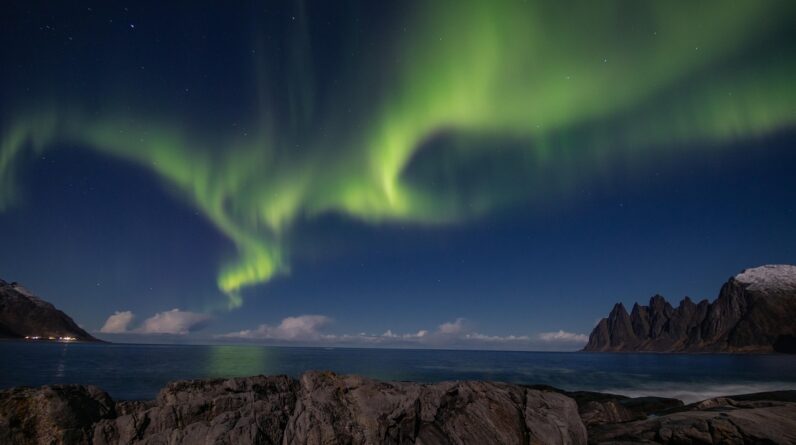
For the traveler seeking photographic opportunities and unique experiences, certain destinations stand out. This collection highlights eight locations that have garnered attention on social media platforms, providing a visual feast for those planning their next adventure.
1. Kyoto, Japan: Where Tradition Meets the Modern Frame
Kyoto, a city steeped in history, offers a compelling juxtaposition of ancient temples and modern life, a dynamic that translates well into visual narratives. Its meticulously preserved cultural sites and vibrant street scenes present a rich tapestry for any photographer.
Ancient Shrines and Serene Gardens
Kyoto’s iconic temples, such as Kinkaku-ji (the Golden Pavilion) and Fushimi Inari-taisha with its thousands of vermilion torii gates, are prominent features in many travel portfolios. These structures, often set amidst meticulously sculpted gardens, provide an aesthetic that evokes a sense of tranquility and historical depth. The architecture and natural landscapes work in concert, offering numerous vantage points for capturing both grandeur and subtle detail.
Geisha Districts and Bustling Markets
The Gion district, known for its teahouses and the presence of geiko and maiko, offers a glimpse into a traditional performing arts scene. While respectful observation is paramount, the atmospheric lanes and traditional wooden machiya houses in this area provide a distinct visual character. Nishiki Market, a bustling hub of culinary activity, presents a vibrant, sensory experience that can be captured through its colorful produce, prepared foods, and the energy of its vendors and patrons. This market is a microcosm of Kyoto’s daily life, bursting with edible and visual delights.
Bamboo Forests and the Art of the Shot
The Arashiyama Bamboo Grove is another well-documented location. The towering stalks of bamboo create a natural, verdant tunnel, offering a unique perspective and play of light. The sheer density and height of the bamboo can inspire awe and serve as a striking backdrop for portraiture or landscape photography, transforming the scene into a living, breathing installation.
2. Santorini, Greece: The Iconic Caldera View
Santorini’s dramatic topography, a result of volcanic activity, provides a dramatic and universally recognized panorama. The whitewashed villages clinging to the cliff edges, overlooking the Aegean Sea, have become a visual shorthand for Mediterranean beauty.
Oia’s Sunset Spectacle
The village of Oia is particularly famed for its sunsets. As the sun dips below the horizon, the white buildings are bathed in warm hues, creating a breathtaking and widely shared spectacle. The narrow, cobblestone streets, dotted with blue-domed churches and boutique shops, offer numerous opportunities for capturing intimate scenes against the expansive sea backdrop. The caldera itself, a vast maritime amphitheater, provides a constant, imposing presence.
Fira’s Cliffside Charm
Fira, the capital, shares many of Oia’s aesthetic qualities, with its white architecture and stunning caldera views. The town’s layout, built into the steep volcanic slopes, necessitates a network of winding pathways and staircases, each turn revealing new perspectives of the sea and the surrounding islands. The accessibility of these viewpoints, often from restaurants and hotels, makes them readily available for capture. The volcanic rock, exposed in places, adds a raw texture to the otherwise pristine white facades.
Unique Volcanic Beaches
Beyond the villages, Santorini’s volcanic origin has created distinct beaches with black, red, and white sand. These beaches, like Perissa or Red Beach, offer a visual contrast to the white villages and blue sea, providing a different facet of the island’s photographic appeal. The mineral content of the sands can create striking colors, offering a raw, elemental beauty.
3. Banff National Park, Canada: Majestic Peaks and Turquoise Waters
Banff National Park, located in the Canadian Rockies, is a vast expanse of wilderness characterized by towering mountain ranges, glacial lakes, and abundant wildlife. Its dramatic landscapes have drawn visitors and photographers for decades, offering a classic representation of alpine grandeur.
Lake Louise: The Jewel of the Rockies
Lake Louise is perhaps the most photographed lake in Banff. Its impossibly turquoise water, a result of glacial silt suspension, creates a striking contrast with the surrounding snow-capped peaks, including Mount Victoria. The Fairmont Chateau Lake Louise, situated on the lake’s shore, adds a historic architectural element to the scene. Canoe rentals on the lake provide a unique vantage point, allowing for shots that capture the scale of the mountains from water level. The clarity of the water is often such that the lakebed is visible in shallower areas.
Moraine Lake’s Valley of the Ten Peaks
Moraine Lake, nestled in the Valley of the Ten Peaks, offers a different but equally stunning vista. The vibrant blue of its waters, set against a backdrop of jagged, distinct peaks, presents a dramatic and awe-inspiring scene. The view from the rockpile overlooking the lake is a quintessential Banff image, showcasing the symmetry and raw power of the geological formations. The surrounding alpine meadows, in bloom during summer months, add a splash of color.
Wildlife Encounters and Trail Photography
The park is home to a variety of wildlife, including elk, deer, bears, and bighorn sheep. These animals, often observed in their natural habitat, can provide compelling photographic subjects, adding a dynamic, living element to the landscape. Hiking trails throughout the park offer access to diverse viewpoints, from dense forests to high alpine meadows, each presenting its own set of visual opportunities. The sheer scale of the park means that many areas remain relatively untouched, offering a sense of true wilderness.
4. Patagonia: Wild Landscapes of Ice and Stone
Patagonia, a vast region at the southern tip of South America, is renowned for its dramatic and raw natural beauty. It is a land of extremes, where jagged mountains meet vast glaciers and windswept steppes stretch to the horizon. This untamed character makes it a compelling subject for those seeking dramatic photographic narratives.
Torres del Paine National Park: Icons of the South
Torres del Paine National Park in Chile is a flagship destination within Patagonia. Its namesake granite towers, the “Torres,” are iconic geological formations that dominate the skyline. The park also features glacial lakes with striking blue hues, such as Lake Pehoé, and vast ice fields. Hiking and trekking are primary ways to explore this park, offering access to a variety of viewpoints, each presenting the dramatic peaks and valleys from a unique angle. The weather in Patagonia is notoriously changeable, which can lead to dramatic skies and light conditions, amplifying the visual impact of the landscapes.
El Calafate and the Perito Moreno Glacier
In Argentina, El Calafate is the gateway to the Perito Moreno Glacier, one of the few glaciers in the world that is advancing. Spectators can witness ice calving from the glacier, a powerful natural event that creates massive splashes and thunderous roars. Boardwalks and boat tours provide close-up views of the glacier’s immense ice face, allowing for shots that convey its scale and the dynamic processes of its movement. The deep crevasses and sculpted ice formations present intricate textures and patterns.
The Carretera Austral: A Road Less Traveled
While not a single viewpoint, the Carretera Austral in Chile is a legendary unpaved road that winds through some of the most remote and stunning landscapes of Patagonia. Traveling this route offers access to fjords, ancient forests, waterfalls, and opportunities to photograph the rugged, undeveloped wilderness that defines much of the region. The journey itself, with its evolving scenery, becomes part of the photographic experience, akin to slowly unfolding a grand geographical map.
5. Marrakesh, Morocco: A Sensory Tapestry of Color and Culture
Marrakesh offers a vibrant and chaotic sensory experience, a bustling imperial city where ancient traditions intersect with modern life. Its architecture, markets, and daily rhythms provide a rich visual language for photographers.
The Djemaa el-Fna: The Heartbeat of the City
The Djemaa el-Fna square is the central gathering place in Marrakesh, transforming throughout the day. By day, it features snake charmers, water sellers, and fruit stalls. At night, it becomes a sprawling open-air restaurant, filled with food stalls and storytellers. The energy, the crowds, and the changing light make it a dynamic and challenging photographic subject, a living theatre of Moroccan life. The aromas and sounds contribute to the overall immersive experience, influencing the visual interpretation.
The Medina’s Labyrinthine Souks
The medina, the old walled city of Marrakesh, is a maze of narrow alleyways that lead to bustling souks (markets). These souks are a riot of color, texture, and sound. Skilled artisans craft leather goods, metalwork, spices, and textiles. The narrow passages and the abundance of goods create a densely packed visual environment, demanding careful composition and an eye for detail. Light filtering through the latticed roofs and openings creates dramatic contrasts.
Palaces and Gardens: Oases of Calm
Amidst the bustle, Marrakesh offers serene escapes in its palaces and gardens. Bahia Palace, with its intricate tilework (zellij), carved stucco, and peaceful courtyards, offers a glimpse into Moroccan craftsmanship and architectural beauty. The Majorelle Garden, renowned for its electric blue accents, exotic plants, and striking design, provides a more contemporary, yet equally photogenic, oasis. These spaces act as visual breathers, offering a different palette and mood from the intensity of the medina.
6. Iceland: Land of Fire and Ice
Iceland’s dramatic geological features, shaped by volcanic activity and glaciers, create a landscape of unparalleled natural beauty and photographic potential. It is a place where elemental forces are visibly at play.
The Golden Circle: Geological Wonders
The Golden Circle is a popular tourist route that encompasses three major attractions: Þingvellir National Park, a UNESCO World Heritage site where the North American and Eurasian tectonic plates are pulling apart; the Geysir geothermal area, home to the Strokkur geyser which erupts every few minutes; and Gullfoss, a powerful two-tiered waterfall. These sites offer opportunities to photograph active geological processes, dramatic water features, and historical landscapes. The raw, exposed earth at Þingvellir provides a stark visual of tectonic movement.
South Coast Waterfalls and Black Sand Beaches
Iceland’s south coast is a showcase of natural wonders. Skógafoss and Seljalandsfoss are two of the most famous waterfalls, with Seljalandsfoss offering the unique experience of walking behind the cascade. Further along the coast, Reynisfjara black sand beach, with its basalt columns and powerful waves, presents a dramatic and somewhat fierce beauty. The contrast of the black sand against the white foam of the waves is a striking visual.
Glacial Lagoons and Ice Formations
Jökulsárlón glacier lagoon is a truly magical place. Icebergs calved from the Breiðamerkurjökull glacier drift in the lagoon before making their way to the sea. The icebergs, in various shades of blue and white, create a constantly changing, ethereal landscape. Nearby Diamond Beach, where smaller ice fragments wash ashore on black sand, offers a unique perspective on these glacial remnants. The sheer luminescence of the ice, sculpted by water and time, is captivating.
7. The Serengeti, Tanzania: The Great Migration and Endless Plains
The Serengeti, a vast ecosystem spanning Tanzania and Kenya, is renowned for its spectacular annual migration of wildebeest and zebras. This natural phenomenon, along with the park’s diverse wildlife and sweeping landscapes, creates unparalleled photographic opportunities.
The Great Migration: A Natural Spectacle
The Great Migration sees millions of wildebeest, zebras, and gazelles traversing the plains in search of greener pastures, a movement that is dictated by seasonal rains. River crossings, particularly the Mara River, are dramatic events where predators often lie in wait. Photographing this migration offers the chance to capture immense herds, the raw struggle for survival, and the intricate dynamics of the predator-prey relationship. The sheer scale of the movement is difficult to convey in a single frame, requiring a series of images to illustrate its scope.
Predator-Prey Interactions and Wildlife Portraits
Beyond the migration, the Serengeti is home to a rich diversity of predators, including lions, leopards, cheetahs, and hyenas, as well as a multitude of herbivores. These animals can be observed in their natural behaviors, offering opportunities for intimate wildlife portraits and capturing moments of action. The open plains provide a relatively unobstructed view of wildlife, allowing for close-up shots that reveal the details of their forms and expressions.
The Endless Plains and the African Sky
The Serengeti landscape itself is iconic. Vast, unfenced grasslands stretch to the horizon, punctuated by acacia trees and rocky outcrops (kopjes). The expansive sky, with its dramatic cloud formations and brilliant sunsets, often plays a significant role in landscape photography, adding color and mood to the scene. The sheer emptiness of the plains can also be a powerful subject, emphasizing the scale of the natural world.
8. Cinque Terre, Italy: Colorful Villages on the Ligurian Coast
Cinque Terre, a string of five fishing villages perched precariously on the rugged Ligurian coastline, is a UNESCO World Heritage site renowned for its picturesque beauty and unique setting. The vibrant colors of the villages against the blue sea make it a visually compelling destination.
Vernazza’s Harbor and Main Street
Vernazza, often considered the most beautiful of the five villages, features a charming harbor overlooked by a historic castle. The main street, lined with colorful buildings, leads down to the sea. Capturing the village from the waterfront, or from the hiking trails above, provides classic postcard-like views. The architecture, with its narrow, tall houses built to maximize space, is a distinctive feature.
Manarola’s Iconic Viewpoint
Manarola offers one of the most recognizable views in Cinque Terre, with its houses cascading down the clifftop towards the sea. The viewpoint from the pathway overlooking the harbor is particularly popular, showcasing the vibrant colors and the dramatic coastal setting. This vantage point allows for a panoramic capture of the village’s vertical sprawl.
Riomaggiore’s Steep Streets and Harbor
Riomaggiore, the southernmost village, is characterized by its steep streets and a picturesque harbor. The colorful buildings are stacked tightly together, and the pathways offer glimpses of the sea between them. Exploring the village reveals numerous charming corners and unexpected vistas. The proximity of the houses to the water creates a sense of intimacy and a strong connection to the maritime environment.
The Hiking Trails and Coastal Vistas
The network of hiking trails connecting the five villages offers elevated perspectives of the coastline and the villages themselves. These trails traverse terraced vineyards and olive groves, providing a natural element to the views. The dramatic drops to the sea and the expansive views of the Ligurian coast are a defining feature of the Cinque Terre experience, offering a continuous unfolding panorama. The sound of the waves against the rocks is a constant soundtrack to these treks.