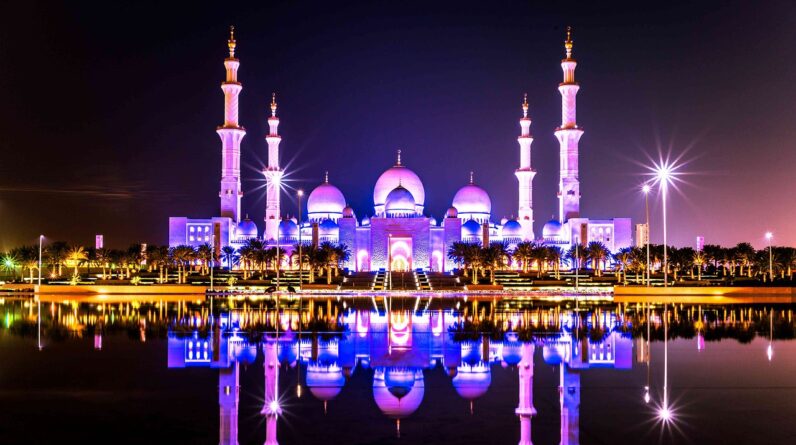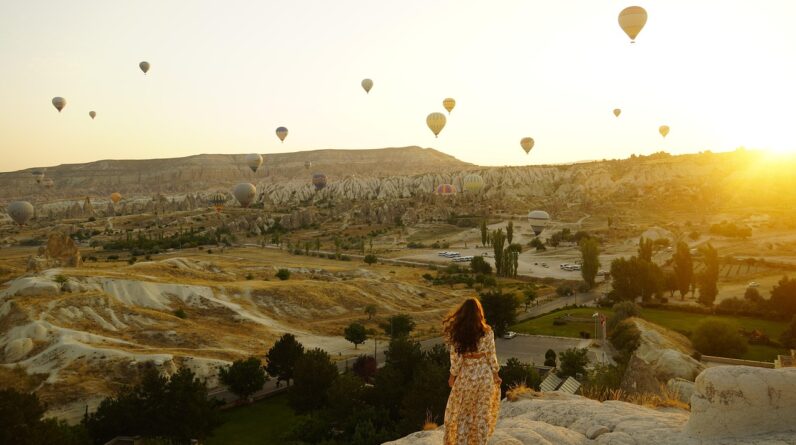
This article explores the concept of aesthetic travel, focusing on the identification and appreciation of photogenic locations worldwide. It examines the motivations behind seeking visually appealing destinations, the characteristics that define a photogenic place, and provides examples of regions and specific sites renowned for their photographic potential. The article also touches upon the role of photography in shaping our perception of travel and offers practical advice for travelers aiming to capture compelling images.
The Rise of Aesthetic Travel
The term “aesthetic travel” refers to a form of tourism where the primary motivation is the visual appeal of a destination. Travelers engaging in aesthetic travel actively seek out places that are considered beautiful, striking, or visually interesting, often with the intention of capturing these scenes through photography or videography. This pursuit is not merely about relaxation or experiencing a culture; it is a deliberate engagement with the visual qualities of a landscape, architecture, or experience.
Defining Photogenic
A location is considered photogenic when it possesses qualities that translate well into photographic imagery. This involves a confluence of elements such as striking natural formations, harmonious architectural designs, vibrant colors, compelling light conditions, and a sense of atmosphere. Photogenic places often evoke an emotional response in the viewer, whether it be awe, tranquility, or wonder. The presence of leading lines, strong compositional elements, and a clear subject can contribute to a location’s photogenic nature. It is the ability of a place to hold the viewer’s gaze within a frame, to tell a story without words, and to inspire a desire to visit.
Motivations for Aesthetic Travel
The motivations behind aesthetic travel are multifaceted. For many, it is an extension of a passion for photography. These individuals see travel as an opportunity to build their portfolios, to document the world’s beauty, and to share their experiences with others through visual narratives. The internet and social media platforms have amplified this motivation, creating a global stage for sharing photographic work and inspiring further exploration.
Beyond photography, aesthetic travel can be driven by a desire for inspiration and personal enrichment. Visually stunning environments can stimulate creativity, offer a respite from the mundane, and provide a sense of connection to something larger than oneself. The pursuit of beauty can be a form of mindful engagement, encouraging travelers to slow down, observe details, and appreciate the artistry of nature and human creation. The allure of the visually exceptional can also stem from a desire to escape the ordinary, to step into a world that feels like a curated masterpiece.
The Role of Social Media
Social media platforms have played a significant role in popularizing aesthetic travel. Websites like Instagram, Pinterest, and travel blogs have become virtual galleries, showcasing breathtaking images of destinations from around the globe. This constant stream of visually appealing content has introduced many to places they might not have otherwise considered, effectively acting as a digital brochure for the world’s most photogenic spots. This phenomenon, sometimes referred to as “Instagrammability,” has led to increased tourism in certain locations, prompting both opportunities and challenges for local communities and environments. The visual echo chamber of social media can, at times, create a feedback loop where popular destinations gain even more visibility, sometimes to the detriment of less-trafficked, equally beautiful locations.
Characteristics of Photogenic Places
Identifying what makes a place “photogenic” involves understanding several key visual and atmospheric elements. These are the building blocks that photographers and travelers look for when seeking out visually compelling destinations.
Natural Landscapes and Geological Wonders
Natural landscapes are often at the forefront of aesthetic travel. Dramatic geological formations, such as mountains, canyons, coastlines, and deserts, offer a canvas of textures, colors, and scale that are inherently impressive. The interplay of light and shadow on these features can create dynamic and ever-changing scenes.
Mountains and Peaks
Majestic mountain ranges, with their rugged peaks, snow-capped summits, and deep valleys, provide endless photographic opportunities. The grandeur of mountains can evoke feelings of insignificance and awe, which can be effectively translated into photographs. Consider the towering rock formations of Patagonia, the dramatic peaks of the Himalayas, or the dramatic volcanic landscapes of Iceland. The scale itself is a powerful element, dwarfing human presence and emphasizing the raw power of nature.
Canyons and Deserts
The sculpted forms of canyons, carved by millennia of erosion, present intricate patterns and stratified rock colors. The arid beauty of deserts, with their sweeping sand dunes, stark rock formations, and vast expanses, offers a different kind of visual appeal characterized by minimalism and intense light. The Grand Canyon in the United States, the Wadi Rum desert in Jordan, and the otherworldly landscapes of Namibia exemplify this kind of aesthetic. The play of light across undulating dunes or within the deep recesses of a canyon can create scenes of profound depth and drama.
Coastlines and Islands
The meeting point of land and sea often yields some of the most captivating scenery. Dramatic cliffs, secluded coves, pristine beaches, and turquoise waters are hallmarks of photogenic coastlines. Islands, with their unique ecosystems and often isolation, can possess an exotic allure. The Amalfi Coast in Italy, the beaches of the Maldives, and the rugged islands of Scotland offer diverse coastal aesthetics. The raw energy of crashing waves against a rocky shore or the serene gradient of colors in tropical waters are both highly photogenic.
Architectural Marvels and Urban Landscapes
Human creations, when designed with aesthetic intent, can be just as photogenic as natural wonders. Architecture, both historical and contemporary, offers opportunities for exploring form, symmetry, detail, and the integration of structures with their surroundings. Urban landscapes, with their bustling streets, iconic landmarks, and unique cityscapes, also present rich visual narratives.
Historic Sites and Ancient Ruins
Ancient ruins and well-preserved historical sites transport viewers back in time. Their weathered stones, intricate carvings, and the stories they embody lend them a profound visual depth. The Colosseum in Rome, the temples of Angkor Wat in Cambodia, and the pyramids of Egypt are testaments to human ingenuity and artistic expression throughout history. The patina of age on these structures tells a visual story of centuries past, offering a tangible link to historical narratives.
Modern Architecture and Cityscapes
Contemporary architecture, with its bold designs, innovative materials, and integration of technology, offers a different kind of aesthetic. Striking skyscrapers, unique bridges, and thoughtfully designed public spaces can transform a city into a visual spectacle. The cityscape of Dubai, the architectural landmarks of Barcelona, or the art museums of Bilbao showcase modern design at its finest. The clean lines and geometric precision of modern structures can create a sense of order and sophistication, contrasting with the organic chaos of nature.
Villages and Traditional Settlements
Charming villages and traditional settlements often possess an inherent aesthetic derived from their consistent architectural style, colorful facades, and harmonious integration with their natural settings. These locations can offer a sense of authenticity and picturesque beauty. The Cinque Terre in Italy, the villages of Provence in France, or the traditional thatched-roof hamlets of the Cotswolds in England are examples of such charming destinations. The uniformity of architectural styles in these places can create a visually cohesive and pleasing effect.
Natural Phenomena and Unique Ecosystems
Beyond static landscapes and structures, the dynamic elements of nature and unique ecological environments contribute significantly to a place’s photogenic appeal. These are the moments and places where nature puts on a particularly spectacular display.
Waterfalls and Rivers
The powerful movement and ethereal mist of waterfalls, along with the meandering beauty of rivers, offer dynamic visual subjects. The sheer force and tranquility associated with these water features are captivating. Victoria Falls in Zambia and Zimbabwe, or the numerous waterfalls of Iceland, are prime examples. The constant state of flux in a waterfall, the spray catching the light, creates a sense of ephemeral beauty.
Flora and Fauna
The vibrant colors and intricate forms of diverse flora, from expansive flower fields to dense rainforests, provide stunning visual backdrops. Similarly, the opportunity to photograph unique or charismatic wildlife adds a dynamic and engaging element to aesthetic travel. The lavender fields of Provence, the cherry blossoms in Japan, or the wildlife of the Serengeti in Tanzania are highly sought-after photographic subjects. The ephemeral bloom of flowers or the fleeting moment of wildlife interaction can create truly memorable and photogenic scenes.
Atmospheric Conditions and Light
The quality of light and prevailing atmospheric conditions can transform an otherwise ordinary scene into something extraordinary. Sunrises and sunsets, fog, mist, and dramatic weather can imbue a location with a magical or moody ambiance. The golden hour light or the dramatic skies of the Scottish Highlands are often prized by photographers. Light is the painter’s brush in photography, and places that offer dramatic or ethereal light are intrinsically photogenic.
Notable Regions and Destinations for Aesthetic Travel
Certain regions and specific destinations around the globe have gained particular renown for their photogenic qualities. These areas often combine several of the characteristics mentioned above, making them recurrent subjects in travel photography.
Europe: A Tapestry of History and Scenery
Europe offers an immense diversity of photogenic landscapes and architectural treasures, blending historical depth with natural beauty.
Italy: Art, Architecture, and Coastal Charm
Italy is a perennial favorite for aesthetic travelers. From the Renaissance grandeur of Florence and the canals of Venice to the rugged beauty of the Amalfi Coast and the rolling hills of Tuscany, the country provides an embarrassment of visual riches.
Florence and Venice
Florence, a cradle of the Renaissance, is an open-air museum with iconic landmarks like the Duomo and the Ponte Vecchio. Venice, with its intricate network of canals, historic bridges, and unique architecture, presents a dreamlike setting that is inherently photogenic. The reflections on the water, the intricate details of the buildings, and the absence of cars create a unique visual symphony.
The Amalfi Coast and Tuscany
The dramatic cliffs of the Amalfi Coast, dotted with colorful villages cascading down to the sea, offer breathtaking vistas. Tuscany, on the other hand, is characterized by its rolling hills, cypress-lined avenues, and charming farmhouses, creating a quintessential pastoral landscape. The interplay of man-made structures with the natural curves of the land in Tuscany is particularly evocative.
Greece: Islands of Azure and Ancient Wonders
The Greek islands, with their whitewashed villages, vibrant blue domes, and crystal-clear waters, exude a timeless charm. Ancient ruins scattered across the mainland and islands add layers of historical significance to the visual appeal.
Santorini and Crete
Santorini, with its iconic caldera views, cliffside villages, and stunning sunsets, is perhaps one of the most photographed islands in the world. Crete offers a diverse landscape, from sandy beaches and rugged mountains to ancient Minoan palaces, providing a rich tapestry for exploration. The stark contrast between the white buildings and the deep blue Aegean Sea on Santorini is a visually striking signature.
Iceland: The Land of Fire and Ice
Iceland’s dramatic geological features, including glaciers, volcanoes, geysers, and black sand beaches, create an otherworldly and highly photogenic environment. Its unique landscapes are a testament to the raw power of nature.
The Golden Circle and the South Coast
The Golden Circle route, encompassing Þingvellir National Park, Gullfoss waterfall, and the Geysir geothermal area, offers a concentrated dose of Iceland’s natural wonders. The South Coast is renowned for its black sand beaches, basalt columns like Reynisfjara, and majestic waterfalls such as Skógafoss and Seljalandsfoss. The ethereal qualities of the Northern Lights, when visible, add another layer of magic to Iceland’s already spectacular scenery.
Asia: A Spectrum of Tradition and Natural Beauty
Asia presents a vast array of aesthetic experiences, from ancient cultural sites to breathtaking natural landscapes and vibrant urban centers.
Japan: Serenity and Urban Futurism
Japan offers a compelling juxtaposition of serene natural beauty, deeply rooted traditions, and futuristic urban landscapes. The country’s careful attention to detail, both in its gardens and its urban planning, contributes to its visual appeal.
Kyoto and Tokyo
Kyoto, with its numerous temples, serene bamboo forests, and traditional gardens, embodies a classic Japanese aesthetic. Tokyo, in contrast, is a bustling metropolis characterized by iconic neon-lit streets, avant-garde architecture, and a dynamic cityscape that pulses with energy. The meticulous design of Japanese gardens, with their symbolism and curated natural elements, represents a refined aesthetic principle.
Southeast Asia: Tropical Escapes and Ancient Kingdoms
Countries like Thailand, Vietnam, and Cambodia offer a profusion of tropical beaches, lush rainforests, and magnificent ancient temples, each with its distinct visual character.
Angkor Wat, Cambodia
The temple complex of Angkor Wat is a sprawling testament to Khmer architecture and spirituality, with its intricate carvings, towering spires, and atmospheric ruins that are incredibly photogenic, especially at sunrise and sunset. The scale and detail of the carvings at Angkor Wat are astonishing, inviting close examination and extensive photographic documentation.
Halong Bay, Vietnam
Halong Bay’s dramatic limestone karsts rising from the emerald waters create a surreal and unforgettable landscape. The timeless beauty of this natural wonder has made it a UNESCO World Heritage site and a highly sought-after photographic destination. The ethereal quality of fog rolling over the karsts adds a mystical dimension to the scenery.
The Americas: Vastness and Natural Diversity
The Americas offer an immense geographical canvas, from the towering peaks of the Rockies to the vast rainforests of the Amazon and the vibrant cultures of its cities.
The American Southwest: Deserts and Canyons
The American Southwest is characterized by its stark desert landscapes, dramatic canyons, and vibrant rock formations, offering a palette of earthy tones and grand vistas.
Grand Canyon National Park and Monument Valley
The Grand Canyon, with its immense scale and layered geological history, is an iconic natural wonder. Monument Valley, with its towering sandstone buttes, is instantly recognizable from films and embodies the rugged beauty of the American West. The sheer scale of the Grand Canyon can be challenging to capture, requiring careful composition to convey its immensity.
Patagonia: Glaciers and Untamed Peaks
Patagonia, spanning parts of Chile and Argentina, is a region of rugged mountains, vast glaciers, and dramatic fjords that offers some of the most awe-inspiring natural scenery in the world.
Torres del Paine National Park
Torres del Paine National Park, with its iconic granite peaks, turquoise lakes, and expansive glaciers, is a paradise for hikers and photographers alike. The raw, untamed beauty of the landscape is a constant source of visual inspiration. The changing weather in Patagonia can add dramatic elements to photographs, from intense sunlight to swirling storms.
Capturing the Aesthetic: Practical Considerations
While the beauty of a place is inherent, effectively capturing it through photography requires more than just pointing a camera. Understanding a few key principles can elevate photographic results.
The Importance of Light
As mentioned previously, light is arguably the most critical element in photography. The time of day significantly impacts the mood, colors, and shadows within an image.
Golden Hour and Blue Hour
The “golden hour,” the period shortly after sunrise and before sunset, bathes landscapes in warm, soft light. The “blue hour,” the twilight period between day and night, offers a cooler, more serene palette. Both periods are favored by photographers for their ability to enhance the aesthetic qualities of a scene. Harnessing the directional and warm quality of golden hour light can transform even ordinary subjects into something captivating.
Dramatic Skies and Weather
Overcast skies, stormy conditions, or dramatic cloud formations can add mood and depth to photographs, often creating more compelling images than clear, blue skies. Embracing the weather, rather than avoiding it, can lead to unique and memorable shots. The contrast between stormy skies and a well-lit landscape can be incredibly powerful.
Composition and Perspective
Beyond simply documenting a scene, photographers strive to arrange elements within the frame to create a visually pleasing and engaging image.
Rule of Thirds and Leading Lines
The rule of thirds, where an image is divided into nine equal segments by two horizontal and two vertical lines, suggests placing key elements along these lines or at their intersections. Leading lines, such as roads, rivers, or fences, can guide the viewer’s eye through the photograph towards the main subject. These compositional tools are like the grammar of visual language, guiding the viewer’s interpretation.
Exploring Different Angles and Scale
Experimenting with different camera angles – from low-angle shots that emphasize height and grandeur to high-angle views that reveal patterns and context – can offer fresh perspectives. Incorporating elements that suggest scale, such as a small human figure against a vast landscape, can effectively convey the immensity of a location. The interplay between foreground, middle ground, and background elements is crucial for creating depth.
Storytelling and Atmosphere
A truly photogenic image often transcends a mere depiction of scenery; it evokes a feeling or tells a story. Capturing the atmosphere of a place is key.
Capturing the “Feeling” of a Place
This involves observing and documenting the sensory details that contribute to a location’s unique character. This might include the textures of weathered stone, the movement of people, the sounds of a bustling market, or the stillness of a remote wilderness. The goal is to translate the experiential into the visual.
The Use of Movement and Time
Incorporating intentional camera movement or using long exposure techniques can capture the dynamism of a scene, such as the blurred motion of water in a waterfall or the streaks of light from passing vehicles in a cityscape. Freezing a fleeting moment or conveying the passage of time can add a narrative dimension to photographs.
The Impact and Evolution of Aesthetic Travel
Aesthetic travel, propelled by the visual nature of photography and social media, has had a discernible impact on how we perceive and experience the world.
The Democratization of Photography
The advent of affordable and sophisticated digital cameras, coupled with the ubiquity of smartphones, has made photography accessible to a much wider audience. This democratization has led to an explosion of travel imagery, making the world’s most beautiful places more visible than ever before. The barrier to entry for creating and sharing compelling visuals has dramatically lowered.
Influence on Travel Choices
The proliferation of photogenic travel content has undeniably influenced travel decisions. Many individuals now choose destinations based, in part, on their perceived photographic appeal. This can lead to increased tourism in certain areas, with both positive and negative implications. The pursuit of the “perfect shot” has become a significant driver for many itineraries.
Challenges and Considerations
While aesthetic travel can inspire and enrich, it also presents challenges. The focus on capturing the “perfect” image can sometimes overshadow the experience of being present in a place. Overtourism in highly photogenic locations can strain local resources and detract from the authentic experience for both visitors and residents. The pressure to present an idealized version of travel online can also perpetuate unrealistic expectations.
The Future of Aesthetic Travel
As technology continues to evolve and our understanding of visual storytelling deepens, aesthetic travel is likely to continue to grow and transform. The emphasis may shift towards more mindful and sustainable forms of exploration, encouraging travelers to seek out lesser-known gems and to engage more deeply with the places they visit, rather than simply capturing their surface beauty. The ethical considerations surrounding photography in sensitive environments and cultural contexts will also likely become more prominent.
This exploration of “Aesthetic Travel: Uncovering the Most Photogenic Places Around the Globe” highlights the compelling relationship between visual appeal, photography, and the modern travel experience. By understanding the elements that define photogenic destinations and employing thoughtful photographic practices, travelers can deepen their appreciation for the world’s visual wonders.