A curated selection of destinations offers experiences that resonate with the human inclination for wonder and escape. These locations, often depicted in literature and art, present tangible manifestations of imagined worlds, providing travelers with opportunities to engage with environments that transcend the mundane. Exploring these “enchanting dream destinations” involves a journey into places that, while geographically real, possess an aura that allows for a sense of stepping beyond the ordinary.
Arctic Wonders: Realms of Ice and Light
The polar regions, particularly the Arctic, present a stark and captivating beauty. The landscapes are dominated by ice and snow, sculpted by wind and extreme temperatures, creating formations that evoke a sense of primordial creation. This is a realm where the very environment seems to breathe, a geological narrative etched in crystalline structures and vast, untouched expanses.
The Aurora Borealis: A Celestial Symphony
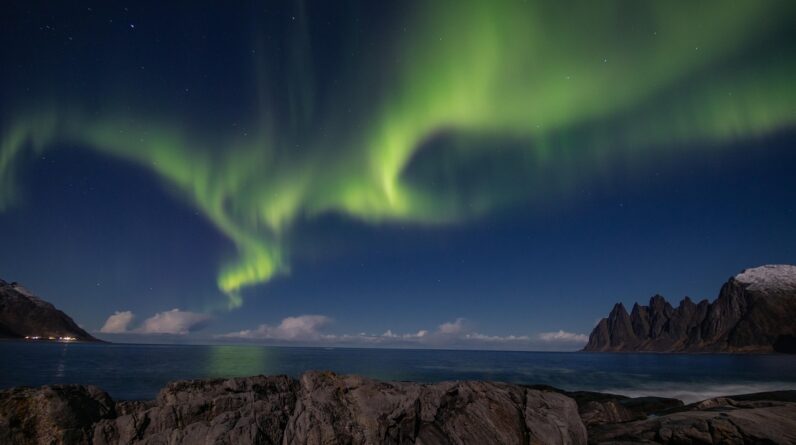
One of the most profound experiences in the Arctic is witnessing the Aurora Borealis. This natural light display, a spectacle of shifting colors dancing across the night sky, is a direct link to atmospheric phenomena. Charged particles from the sun collide with gases in the Earth’s upper atmosphere, producing a visual output that has inspired awe and mythology for millennia. The spectral hues, ranging from vibrant greens and purples to reds and blues, are a testament to the energetic forces at play, a silent, cosmic performance visible in regions with minimal light pollution. Destinations like Tromsø, Norway, or Fairbanks, Alaska, are well-positioned for viewing. The specific conditions required – clear skies, solar activity, and high latitude – contribute to the aurora’s elusive yet potent draw. Its fleeting nature adds to its enchantment, making each sighting a unique event.
Glacial Landscapes: Sculptures of Time
The presence of glaciers in the Arctic is a powerful reminder of geological timescales. These immense rivers of ice, moving imperceptibly but with unstoppable force, carve valleys, shape mountains, and create dramatic fjords. Their sheer scale and the iridescent blues and whites of their compacted ice possess a visual gravity. In Iceland, for instance, Vatnajökull National Park encompasses Europe’s largest glacier, offering opportunities for glacier hiking and ice cave exploration. These ice caves, formed by meltwater, are temporary natural cathedrals, their walls shimmering with an otherworldly light. The constant yet slow transformation of glacial landscapes speaks to the enduring power of natural processes.
The Arctic’s Unique Ecosystems
Beyond the ice, the Arctic supports a specialized array of flora and fauna adapted to its harsh conditions. From resilient tundra vegetation that bursts into bloom during the brief summer to iconic animals like polar bears, arctic foxes, and various whale species, the ecosystem is a testament to life’s adaptability. Svalbard, a Norwegian archipelago, offers a chance to observe these creatures in their natural habitat, often against a backdrop of dramatic fjords and ice floes. The starkness of the environment accentuates the vitality of its inhabitants, their survival a continuous narrative of adaptation and resilience. The silence of the Arctic, broken only by the sounds of nature, further amplifies the sense of immersion.
Desert Vistas: Shifting Sands and Ancient Echoes
Deserts, often perceived as barren, are in fact dynamic landscapes shaped by wind and time. Their vastness and the stark contrast between searing sun and cool nights create a unique atmospheric character. These are environments where the absence of abundance paradoxically reveals a profound presence, a canvas of subtle hues and enduring formations.
The Sahara Desert: An Ocean of Sand
The Sahara, the world’s largest hot desert, is a landscape of immense scale and striking beauty. Its iconic sand dunes, sculpted by prevailing winds, create an ever-shifting topography. Traveling into the Sahara, particularly in regions like Morocco or Mauritania, can involve camel treks and overnight stays in Bedouin camps. The silence of the desert at night, punctuated by the crackling of a campfire, is profound. The star-filled sky, unobscured by light pollution, presents a celestial panorama that can feel overwhelming in its clarity and immensity. The feeling of being a small entity within such a vast, ancient space is a common theme for visitors. The subtle color shifts of the sand throughout the day, from pale gold to deep ochre as the sun traverses the sky, provide a continuous visual experience.
Petra, Jordan: The Rose-Red City
Petra, an ancient city carved into sandstone cliffs in Jordan, offers a direct engagement with human history within a dramatic desert setting. The iconic Treasury (Al-Khazneh), accessed via a narrow gorge called the Siq, is an architectural marvel. The rose-red hue of the sandstone, which changes with the light, gives the city its descriptive moniker. Beyond the Treasury, the site reveals a complex network of tombs, temples, and dwellings, all testament to the ingenuity of the Nabataean civilization. Exploring Petra is akin to peeling back layers of time, each structure a silent witness to a forgotten era. The intricate carvings and the sheer scale of the rock-cut architecture demonstrate a profound connection between human ambition and the natural environment.
The Atacama Desert: Driest Place on Earth
The Atacama Desert in Chile, renowned as the driest non-polar desert on Earth, offers a different kind of spectacle. Its arid conditions are ideal for astronomical observation, making it a global hub for stargazing. Observatories like ALMA (Atacama Large Millimeter/submillimeter Array) dot the landscape. Beyond the scientific endeavors, the Atacama is characterized by striking geological formations, including salt flats (saltares), geysers, and volcanic craters. The Valle de la Luna (Moon Valley) provides a landscape that, due to its erosion patterns and mineral content, resembles the lunar surface, offering a tangible connection to extraterrestrial imagery. The stark, almost otherworldly geological features, combined with the exceptionally clear skies, create a unique sensory experience.
Subterranean Realms: Into the Earth’s Embrace
The earth’s interior holds a fascination, a hidden world of geological formations and echoes of ancient processes. These subterranean environments offer a different kind of immersion, a journey away from the surface into chambers sculpted by water, tectonic forces, and time. The darkness and the mineral formations create an atmosphere of enclosed mystery.
The Waitomo Glowworm Caves: Bioluminescent Wonders
The Waitomo Caves in New Zealand are famous for their bioluminescent glowworm population. The Arachnocampa luminosa, a species of glowworm, produces light to attract prey. A guided boat tour through the Glowworm Grotto offers a surreal experience; the cave ceiling is illuminated by thousands of these tiny lights, creating an effect reminiscent of a subterranean galaxy. The silent glide through the dark water, with the celestial display above, is a singular event. The gentle illumination is a biological phenomenon, a delicate interplay of life and darkness, transforming the cave into a living constellation. The darkness here is not an absence but a backdrop, accentuating the delicate points of light.
Mammoth Cave National Park: A Labyrinth of Limestone
Mammoth Cave in Kentucky, USA, is the world’s longest known cave system, a sprawling labyrinth carved over millions of years by underground rivers. Its extensive passages, some narrow and winding, others vast chambers, showcase a diverse array of cave formations. Stalactites hang from the ceiling, while stalagmites rise from the floor, the slow drip of mineral-rich water building these formations over millennia. The sheer scale of Mammoth Cave is impressive; exploring its depths is a journey through geological history, the formations acting as visible records of past hydrological and geological events. The air within the cave is cool and still, a marked contrast to the surface, creating a sense of primal enclosure. Different tours offer access to various levels of the cave, revealing its complex internal architecture.
The Caves of Nerja: Aragonite Formations
The Caves of Nerja in Spain are notable for their spectacular columns and formations, particularly the immense stalactite and stalagmite that connect to form one of the largest in the world, known as the “Waterfall.” The presence of aragonite, a mineral that forms delicate, flower-like structures called helictites, adds to their unique aesthetic. These formations grow in defiance of gravity, their twisted and branching shapes a testament to complex mineral deposition processes. The caves also contain evidence of prehistoric human habitation, with ancient paintings found within certain chambers, linking natural wonder to human history. The sheer size of some chambers, combined with the intricate mineralogy, creates a visually rich subterranean landscape.
Mystical Mountains: Peaks of Serenity and Legend
Mountains have long served as focal points for human aspiration and spiritual contemplation. Their imposing presence, remote locations, and often challenging ascents lend them an aura of otherworldliness. These are natural cathedrals, places where the earth reaches towards the sky, often associated with myths, legends, and a profound sense of peace.
Mount Fuji, Japan: An Iconic Silhouette
Mount Fuji is an active stratovolcano and Japan’s tallest peak. Its near-perfect conical shape, often snow-capped, has made it an enduring symbol of Japan, recognizable globally. Beyond its aesthetic appeal, Mount Fuji holds significant cultural and spiritual importance. It is considered a sacred mountain, and climbing it, particularly during the official climbing season (July to September), is a popular pilgrimage for both Japanese and international visitors. The ascent is challenging, but the reward of witnessing the sunrise from its summit is described as a profoundly moving experience. The panoramic views of the surrounding landscape, unfurling below like a delicate tapestry, are a significant part of the allure. The mountain’s enduring presence in art and literature reinforces its status as a dream destination.
Machu Picchu, Peru: The Citadel in the Clouds
Machu Picchu, an Incan citadel in the Andes Mountains, is a UNESCO World Heritage site renowned for its stunning natural setting and sophisticated architecture. Perched on a mountain ridge above the Sacred Valley, the site is characterized by meticulously crafted stone terraces, plazas, and temples, seemingly integrated into the dramatic mountain landscape. The mystical aura of Machu Picchu is amplified by its remote location and the mystery surrounding its original purpose and abandonment. The dramatic interplay of mist, sunlight, and the rugged mountain peaks creates a perpetually shifting and ethereal atmosphere. Exploring the complex is like stepping into a living testament to ingenuity and a deep connection to the natural world. The site presents a harmonious blend of human endeavor and geological grandeur.
The Himalayas: Roof of the World
The Himalayas, the world’s highest mountain range, feature Mount Everest, K2, and other formidable peaks. These majestic mountains are not just geological formations but also hold deep spiritual significance for many cultures. Trekking in the Himalayan foothills, or even ascending to base camps, offers an experience of immense scale and raw natural power. The crisp mountain air, the vastness of the vistas, and the stark beauty of the snow-covered peaks create an environment that inspires both awe and introspection. The spiritual aspect is often intertwined with the physical challenge; many monasteries and sacred sites are found within these mountains, making them destinations for both adventurers and pilgrims. The sheer immensity of the range commands a profound respect for the natural world.
Underwater Worlds: Realms of Color and Silence
The oceans conceal vast, unexplored territories, teeming with life and geological wonders. These underwater realms offer an escape into a world of different laws, where buoyancy and silence dictate experience. The vibrant ecosystems and geological formations create sensory landscapes that are both alien and breathtaking.
The Great Barrier Reef, Australia: A Living Ecosystem
The Great Barrier Reef, off the coast of Queensland, Australia, is the world’s largest coral reef system, a vast marine park composed of over 3,000 individual reefs and 900 islands. It is a UNESCO World Heritage site and one of the most biodiverse places on Earth. Snorkeling and diving here provide an unparalleled opportunity to witness the vibrant colors and diverse life of a coral ecosystem: myriad species of fish, sea turtles, sharks, and dolphins navigate through intricate coral formations. The sheer scale of the reef, visible even from space, is a testament to the power of collaborative biological construction. The clear, warm waters allow for remarkable visibility, transforming the experience into an immersive exploration of a living, breathing metropolis beneath the waves. The delicate balance of this ecosystem, however, increasingly faces threats from climate change, making its preservation a critical concern.
The Maldives: Turquoise Lagoons and Marine Life
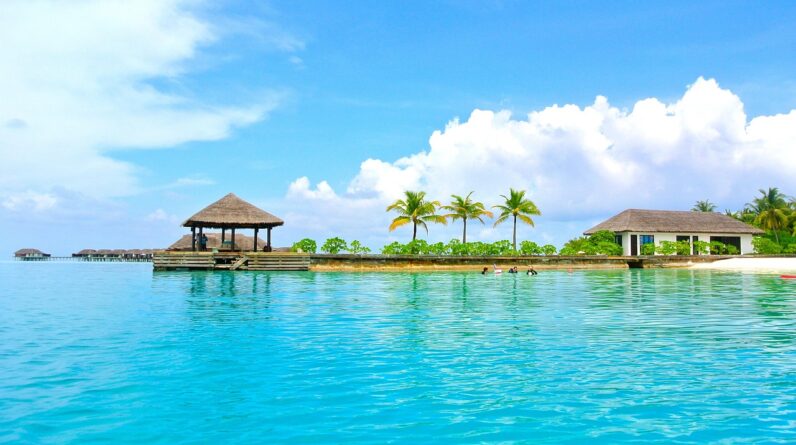
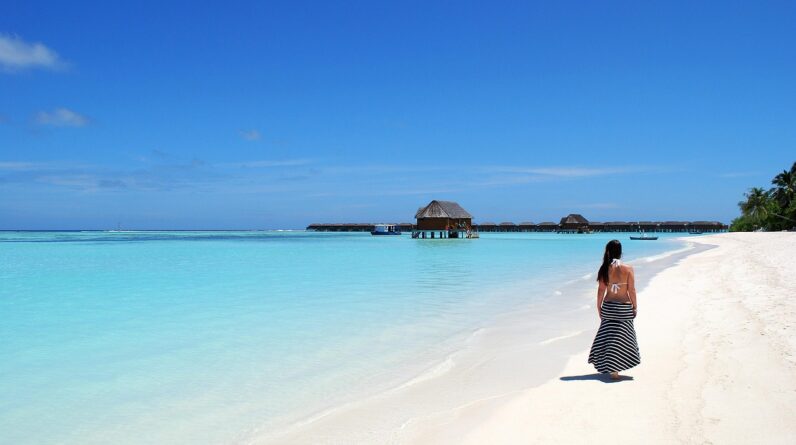
The Maldives, an archipelago nation in the Indian Ocean, is synonymous with idyllic beaches and crystal-clear turquoise lagoons. The islands themselves are low-lying coral atolls, with the majority of their existence hidden beneath the sea. The focus for many visitors is the underwater experience: the coral reefs surrounding the islands are home to an abundance of marine life. Snorkeling and diving are popular activities, offering encounters with colorful coral gardens, schools of tropical fish, manta rays, and whale sharks. The shallow, warm waters and the gentle currents make it accessible for various skill levels. The phenomenon of bioluminescent plankton washing ashore at night in certain areas adds another layer of enchantment, creating a natural light show along the beaches. The scattered nature of the islands creates a sense of secluded paradise.
The Cenotes of the Yucatán Peninsula, Mexico: Submerged sinkholes
The Yucatán Peninsula in Mexico is famous for its cenotes, natural sinkholes formed by the collapse of limestone bedrock, exposing groundwater. These are often interconnected by underground river systems and were historically sacred to the Maya. Exploring cenotes offers a unique blend of swimming, snorkeling, and diving in freshwater environments. The water is exceptionally clear, allowing sunlight to penetrate and illuminate the vast underground caverns and the intricate rock formations. Some cenotes are open to the sky, resembling natural swimming pools, while others are fully enclosed, offering a more cave-like experience. The geological processes that created these features are visually striking, with stalactites and stalagmites often visible above and below the water. The combination of clear water, unique geology, and historical significance makes them a compelling destination for those seeking a different kind of natural wonder.